
Empowering Kids to Make Community Changes Together
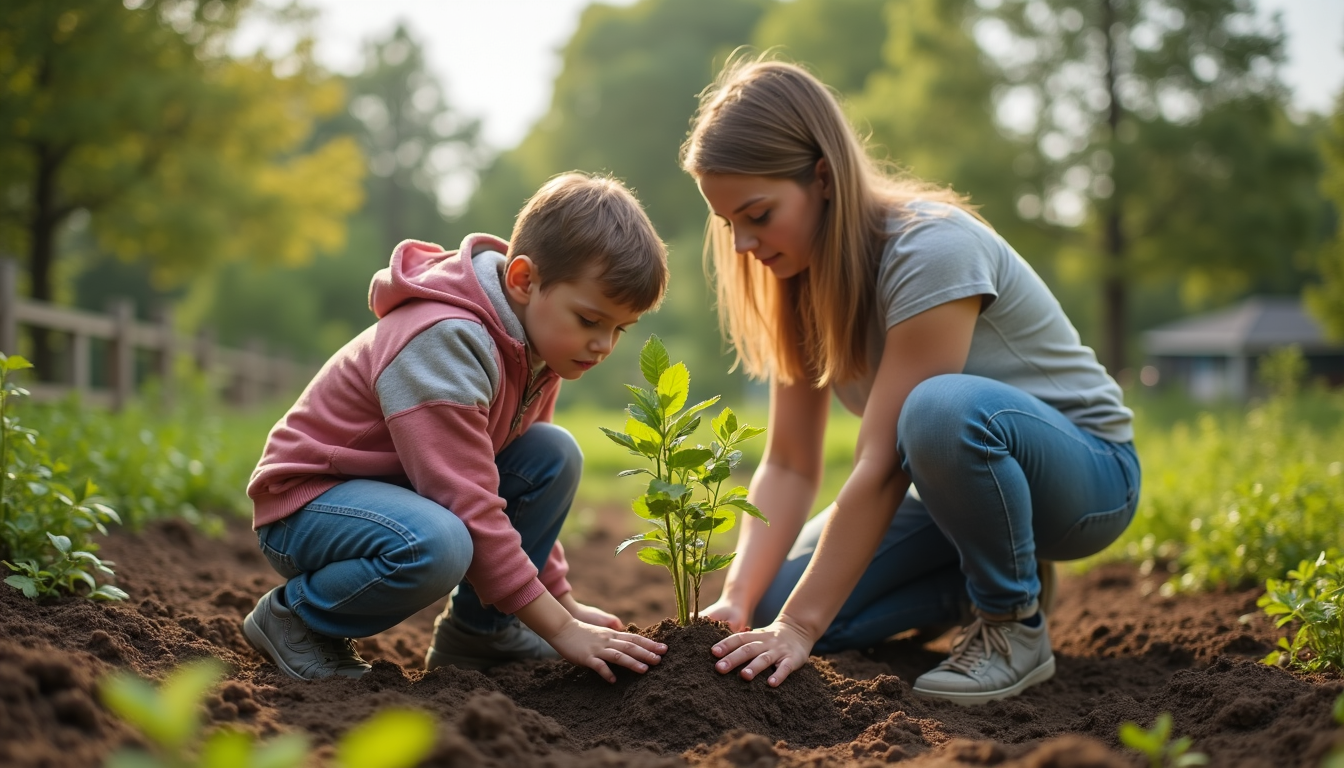
In today's world, children are not just passive observers; they are active participants in shaping their communities. Empowering kids to make community changes together is not only beneficial for their development but also essential for fostering a sense of responsibility and belonging. When children engage in community projects, they learn valuable skills, build friendships, and contribute positively to their surroundings. This blog post explores how we can encourage children to take initiative, collaborate, and make meaningful changes in their communities.

The Importance of Community Engagement for Kids
Community engagement provides children with a platform to express their ideas and take action. Here are some key reasons why it is important:
Skill Development: Participating in community projects helps children develop essential skills such as teamwork, leadership, and problem-solving.
Sense of Belonging: When kids contribute to their community, they feel a sense of ownership and belonging, which boosts their self-esteem.
Social Awareness: Engaging with diverse groups of people helps children understand different perspectives and fosters empathy.
Civic Responsibility: Learning about community issues instills a sense of civic duty and encourages children to become active citizens.
Identifying Community Needs
Before kids can make changes, they need to understand the needs of their community. Here are some effective ways to identify these needs:
Conducting Surveys
Kids can create simple surveys to gather opinions from community members. Questions can focus on local issues such as cleanliness, safety, and recreational facilities. This approach not only helps identify problems but also teaches children how to collect and analyze data.
Organizing Community Meetings
Encouraging kids to host community meetings allows them to engage directly with residents. They can facilitate discussions on pressing issues and gather feedback on potential solutions. This experience enhances their communication skills and builds confidence.
Collaborating with Local Organizations
Partnering with local nonprofits or community groups can provide children with insights into existing challenges. These organizations often have valuable resources and can guide kids in their efforts to make a difference.
Brainstorming Solutions Together
Once community needs are identified, it's time for kids to brainstorm solutions. Here are some strategies to facilitate this process:
Group Discussions
Encourage children to gather in small groups to discuss their ideas. This collaborative environment fosters creativity and allows them to build on each other's suggestions.
Idea Boards
Setting up an idea board where kids can post their thoughts and suggestions can be a fun and interactive way to generate solutions. This visual representation can help prioritize ideas based on community impact.
Workshops and Brainstorming Sessions
Organizing workshops where kids can learn about problem-solving techniques can be beneficial. These sessions can include activities that encourage critical thinking and innovation.
Implementing Community Projects
Once ideas are generated, it's time to put them into action. Here are steps to help kids implement their projects:
Setting Goals
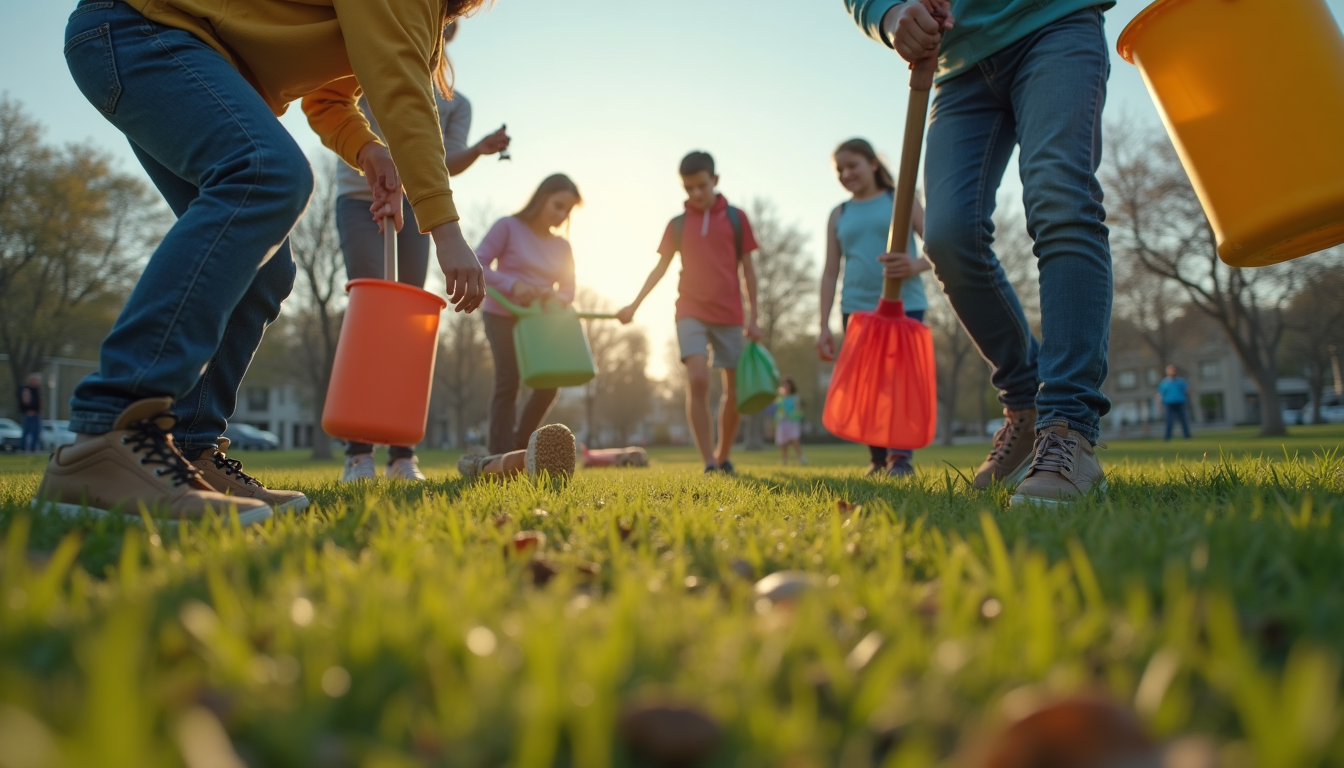
Encourage children to set clear, achievable goals for their projects. This helps them stay focused and motivated. For example, if the goal is to clean up a local park, they can set a date and determine how many volunteers are needed.
Creating Action Plans
Help kids develop an action plan that outlines the steps needed to achieve their goals. This plan should include timelines, resources required, and assigned roles for each participant.
Engaging Volunteers
Children can reach out to friends, family, and community members to gather support for their projects. Organizing volunteer days can create a sense of community and shared purpose.
Celebrating Achievements
Recognizing and celebrating the accomplishments of children is crucial for maintaining their enthusiasm. Here are some ways to celebrate:
Hosting a Community Event
After completing a project, kids can host an event to showcase their work. This could be a small gathering in the community where they present their achievements and share their experiences.
Creating Recognition Certificates
Providing certificates of achievement can boost children's confidence and encourage them to continue their efforts in the future.
Sharing Success Stories
Encourage kids to share their stories through local newspapers, community boards, or social media. This not only highlights their hard work but also inspires other children to get involved.
Overcoming Challenges
While empowering kids to make community changes is rewarding, challenges may arise. Here are some common obstacles and how to overcome them:
Lack of Resources
Sometimes, kids may face limitations in terms of funding or materials. Encourage them to seek donations from local businesses or apply for grants aimed at youth-led initiatives.
Resistance from Adults
Adults may be hesitant to support children's projects. It is essential to communicate the benefits of youth involvement and demonstrate how their ideas can positively impact the community.
Time Constraints
Balancing school, extracurricular activities, and community projects can be challenging. Help kids prioritize their commitments and create a realistic schedule that allows them to manage their time effectively.
Building a Supportive Environment
Creating an environment that encourages community engagement is vital. Here are some ways to foster this atmosphere:
Involving Parents and Guardians
Engaging parents in community projects can provide additional support and resources. Encourage them to participate alongside their children, reinforcing the importance of collaboration.
Partnering with Schools
Schools can play a significant role in promoting community engagement. Collaborating with teachers to integrate community service into the curriculum can enhance students' learning experiences.
Establishing Community Programs
Local governments and organizations can create programs that specifically focus on youth involvement in community projects. These initiatives can provide training, resources, and mentorship for children.
Conclusion
Empowering kids to make community changes together is a powerful way to foster their growth and development. By identifying community needs, brainstorming solutions, implementing projects, and celebrating achievements, children can learn valuable life skills while making a positive impact. As we support their efforts, we not only help them become responsible citizens but also strengthen our communities as a whole. Let’s encourage our children to take action, collaborate, and create the change they wish to see in their neighborhoods. Together, we can build a brighter future for everyone.
Comments